



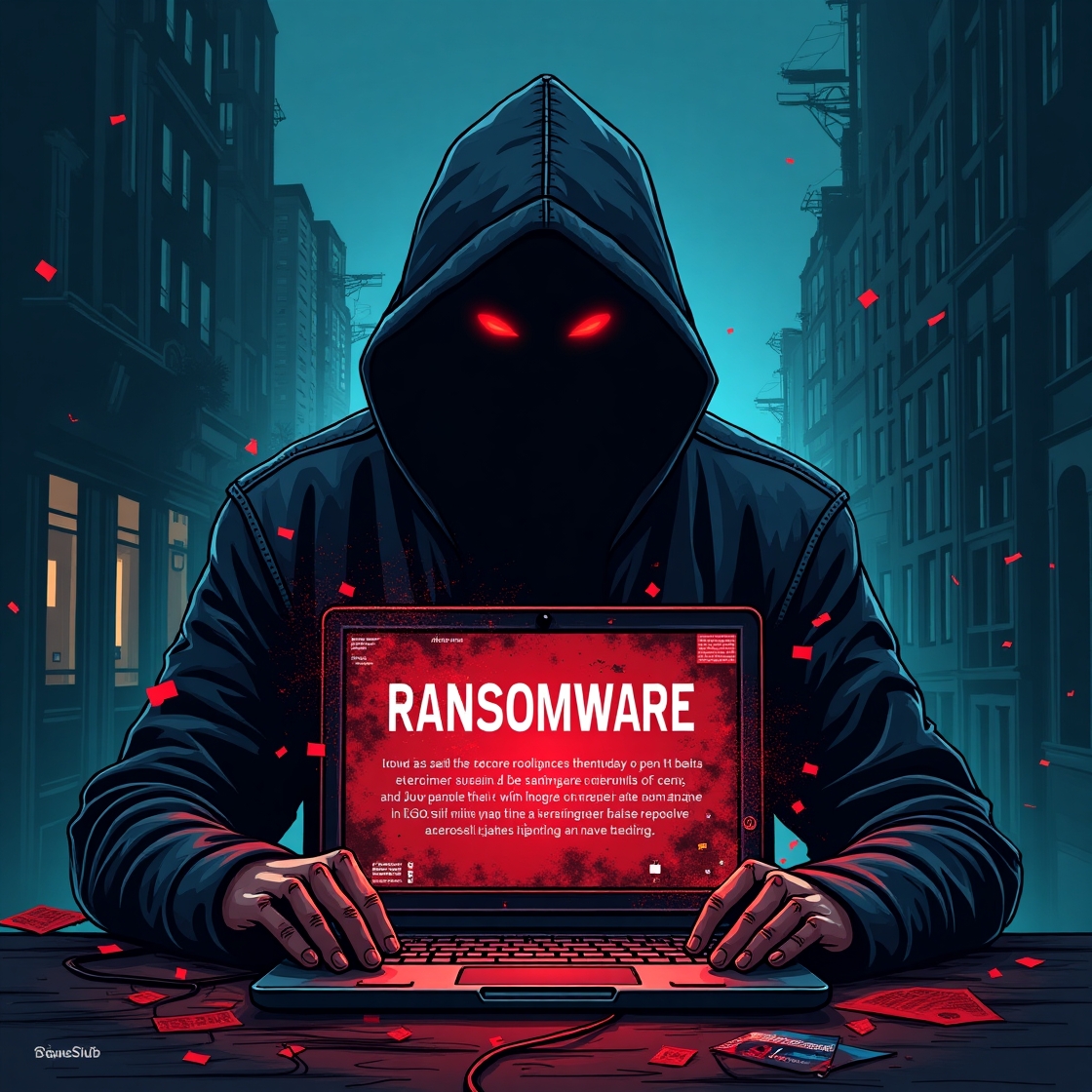
Ransomware attacks are getting more aggressive, and now, hackers have taken extortion to a whole new level.
This isn’t some kid in a basement, these are organized cybercrime groups using advanced tactics.
Cybercriminals are evolving, your security strategy needs to evolve too. If you have questions or want to strengthen your cybersecurity, reach out.
Watch the video walkthrough on Loom
Good morning, Steve from MJN Technology. Today I wanted to talk about something called triple extortion. You have ransomware, then you have double extortion, and now some of the hacking groups are actually doing something called triple extortion.
They hack into a server, network, or an Office 365 account like OneDrive. First, they exfiltrate all information, client files, server files, and more. These attackers use various methods like exploits or phishing to infiltrate systems.
Next, they encrypt all sensitive information and target system backups, attempting to delete them. Victims typically realize they’ve been hacked when they can’t open files and contact their IT department.
Finally, the third step in triple extortion involves not only demanding payment for decryption and threatening to leak data but also harassing clients and employees. Attackers directly contact them to pressure the company into paying.
To protect against this, companies need a comprehensive cybersecurity plan, updated firewalls, and zero-trust security. Phishing-resistant Office 365 security is also crucial as hackers can bypass traditional multifactor authentication.
If you have any further questions, please reach out to me. Thank you.
Related for Long Island professional firms:
Questions? Contact MJN Technology.